

5 Deadly Boxing Training Mistakes & How to Fix Them
You will agree that footwork is so important, and it starts with shadow boxing, If you are serious about getting better at boxing, you need to improve your footwork, and the best way of doing this is by using The Boxing Footwork Academy, you can click here and check it out www.boxingfitness.com/footwork It’s Great!
If you’re serious about improving your boxing skills and taking your performance to the next level, there are a few critical mistakes you need to avoid at all costs. As an Olympic bronze medalist and former undefeated pro boxer, I’ve seen these same mistakes time and time again in boxing gyms – and I’ve even made some of them myself during my career.
In this in-depth blog post, I’m going to break down the 5 most common and detrimental boxing training mistakes, explain why they’re holding you back, and give you the step-by-step solutions to fix each one. By the end, you’ll have a clear roadmap to train smarter, improve faster, and start looking like a true boxing pro.
Mistake #1: Neglecting Specific Drilling
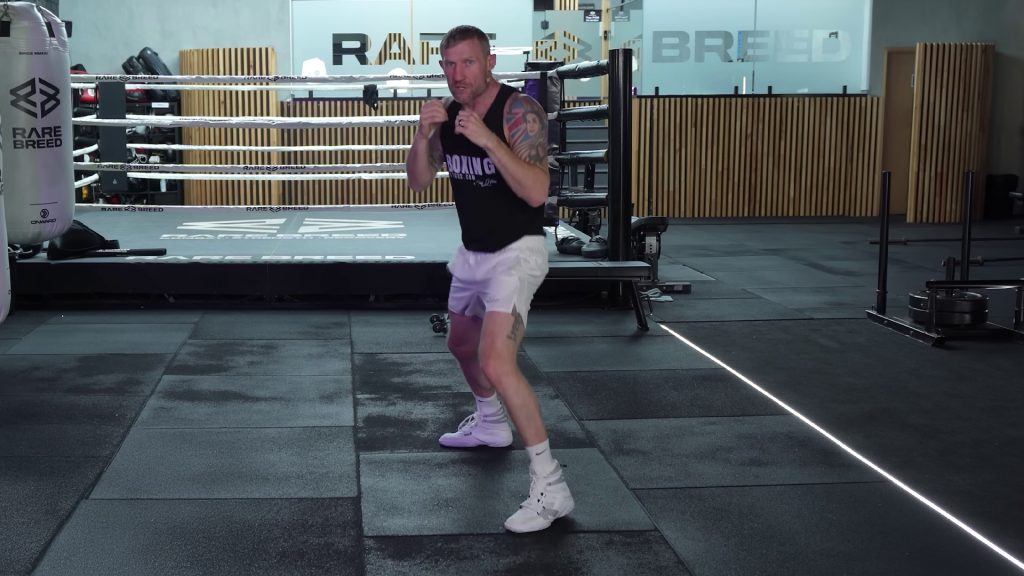
One of the most overlooked aspects of boxing training is the importance of dedicated, specific drilling. I see so many people skipping this crucial component, even though it’s the foundation that the greatest fighters in the world swear by.
Whether it’s your footwork, your punching technique, or any other fundamental skill, you need to be setting aside dedicated time in every single training session to drill the specific areas you’re trying to improve. It might not be the most exciting part of your workout, but it’s absolutely essential for building that all-important muscle memory.
Let me give you an example. If your footwork is feeling a bit off and you’re struggling with your balance and movement, you should be dedicating at least 6 minutes of each training session to footwork-specific drills. Over the course of 10 weeks, that adds up to 3 full hours of focused footwork training – and I guarantee you’ll see a massive improvement in that area of your game.
The great news is, I’ve created a comprehensive Boxing Footwork Academy that gives you all the drills, techniques, and insights you need to perfect your footwork. I break down the footwork of elite fighters like Canelo Alvarez and Oleksandr Usyk, and show you step-by-step how to implement their strategies. It’s an invaluable resource for anyone serious about taking their boxing to the next level.
Mistake #2: Improper Breathing Technique
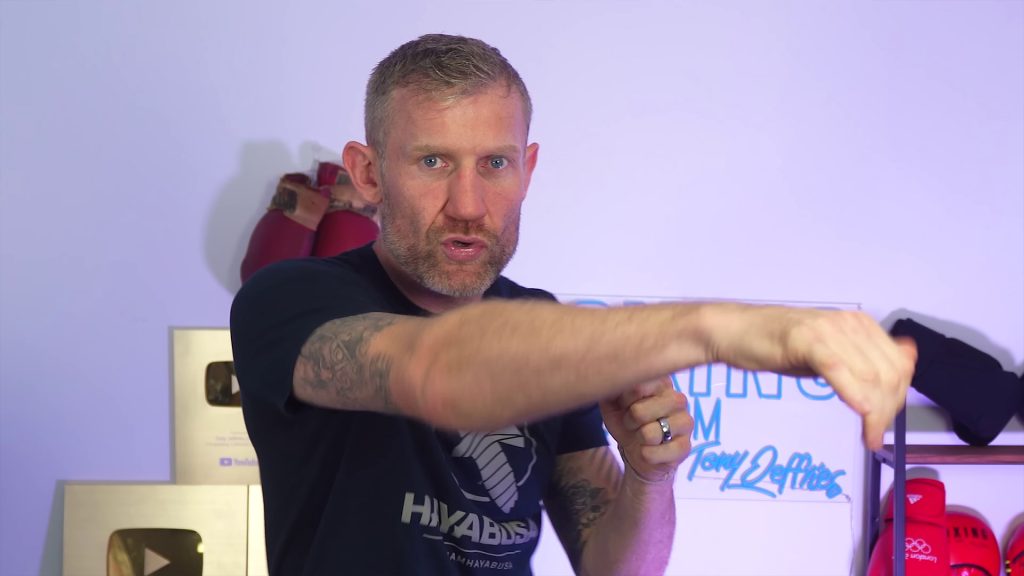
Proper breathing is one of the most fundamental, yet commonly overlooked, aspects of boxing training. I used to be guilty of this myself – I would get so caught up in the intensity of my workouts that I would end up gasping for air, my lips turning blue from oxygen deprivation.
But here’s the thing: if you’re not breathing correctly, you’re severely limiting your performance and endurance. Not only that, but poor breathing technique can also lead to increased tension and stiffness, which we’ll get into in the next section.
It’s not just about exhaling on each punch – you need to have a holistic understanding of how to control your breathing throughout your entire training session. From your warm-up to your bag work to your sparring, proper breathing technique is key.
I’ve created a dedicated video that goes in-depth on 3 Ways to Breathe in Boxing to Train Better. I highly recommend checking it out to learn the breathing strategies that will take your boxing performance to new heights.
Mistake #3: Being Too Tense and Stiff

One of the most common issues I see in boxing gyms is athletes who are way too tense and stiff in their movements. They’re boxing like a “bloody robot,” as I like to say – no fluidity, no rhythm, and no relaxation.
Here’s the thing: speed and power in boxing don’t come from muscle tension and rigidity. They come from relaxation and efficient movement. When you’re overly tense, you’re actually slowing yourself down and limiting the power and explosiveness of your punches.
To overcome this, you need to focus on staying loose and fluid in your movements, especially during your bag work, shadow boxing, and sparring. Don’t be afraid to shake out your arms and legs to release any built-up tension. And remember, a little bit of shaking out in between rounds of sparring is perfectly fine – it’s not a sign of weakness, it’s a sign that you’re staying relaxed and focused.
In my Boxing Footwork Academy, I dive deep into the importance of relaxation and how it ties into developing lightning-fast footwork and fluid movement. It’s a critical piece of the puzzle that too many athletes overlook.
Mistake #4: Going Too Hard in Sparring

Sparring is one of the most valuable tools in a boxer’s training arsenal – but only if it’s done correctly. Unfortunately, I see far too many athletes (and even some coaches) treating sparring sessions like a full-blown fight, with both parties going all-out and trying to knock each other’s heads off.
This is a huge mistake. Sparring is not about proving who’s the toughest or who can take the hardest shots. It’s about learning, improving, and developing your skills in a controlled, pressure-tested environment. If you’re just trying to win every exchange and knock your partner out, you’re missing the entire point.
Sparring should be done at 50-70% intensity, with a focus on specific goals and techniques you’re trying to work on.
You can still throw fast, powerful punches, but keep the overall power output relatively light to avoid unnecessary damage.
Stay calm, focused, and in control. Don’t let your ego take over and turn the session into an all-out brawl.
If you see someone in your gym going overboard with the intensity and aggression in sparring, don’t be afraid to speak up. Approach the coach and suggest they step in to keep things under control. The long-term health of all the athletes should be the top priority.
For more guidance on how to spar the right way, check out my video STOP SPARRING Before It’s Too Late! It covers the essential strategies and mindset you need to get the most out of your sparring sessions.
Mistake #5: Being Too Predictable

One of the biggest lessons I learned the hard way in my boxing career was the importance of unpredictability. Early on, I had a tendency to fall into the same rhythms and patterns, making it easy for my opponents to read and time my movements and attacks.
This came to a head when I was sparring with the legendary Andy Lee. I was being overly predictable, throwing the same sloppy one-two combinations, and he caught me flush with a devastating southpaw right hook that put me on the canvas. It was a humbling experience, but it taught me a valuable lesson that I’ve carried with me ever since.
To avoid becoming a predictable target, you need to constantly mix up your rhythms, feints, and attack patterns – both in training and in the ring. Don’t just fall into the same old habits and combos every time. Challenge your brain to come up with new and creative ways to attack.
In shadow boxing, try throwing a completely different punch or combination every single rep.
Experiment with adding feints and different defensive moves before and after your attacks.
Transfer this unpredictable approach from your shadow boxing to the heavy bag, mitt work, and ultimately, your sparring.
Keeping your opponent guessing is a crucial skill in boxing. It not only makes you harder to time and counter, but it also gives you a major psychological advantage. They’ll never know what’s coming next, which can shake their confidence and open up opportunities for you to capitalize.
For more tips on developing this kind of dynamic, unpredictable boxing style, check out my video 4 Boxing Training Methods You MUST do to Level Up!
Putting It All Together
There you have it – the 5 most common and detrimental boxing training mistakes, and the strategies to fix them. By addressing these issues head-on, you’ll be well on your way to taking your skills to the next level.
Remember, consistent, deliberate practice is key. Don’t just try to implement these changes overnight. Incorporate them gradually into your training, and be patient with yourself as you build those new habits and patterns.
And if you’re looking for even more in-depth guidance, be sure to check out the resources I mentioned throughout this article:
Boxing Footwork Academy – Master effortless footwork and movement
3 Ways to Breathe in Boxing to Train Better – Improve your breathing technique
STOP SPARRING Before It’s Too Late! – Learn how to spar the right way
4 Boxing Training Methods You MUST do to Level Up! – Develop an unpredictable, dynamic boxing style
With the right mindset, the proper techniques, and a commitment to consistent, deliberate practice, I know you have what it takes to become the boxer you’ve always dreamed of being. Now go out there and make it happen!
Share this post:
